
Materials
Materials Overview
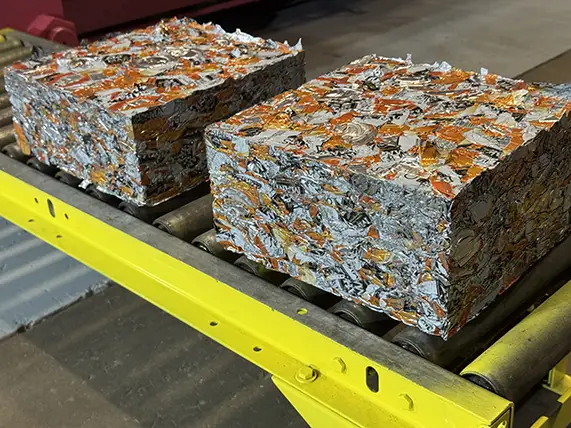
Different scrap streams behave differently under compression. Springback, geometry, contamination, and downstream furnace requirements all affect bale quality and material value. Logemann engineers baling systems around those material realities so customers can produce denser, more consistent, more furnace-ready output.
Materials We Support
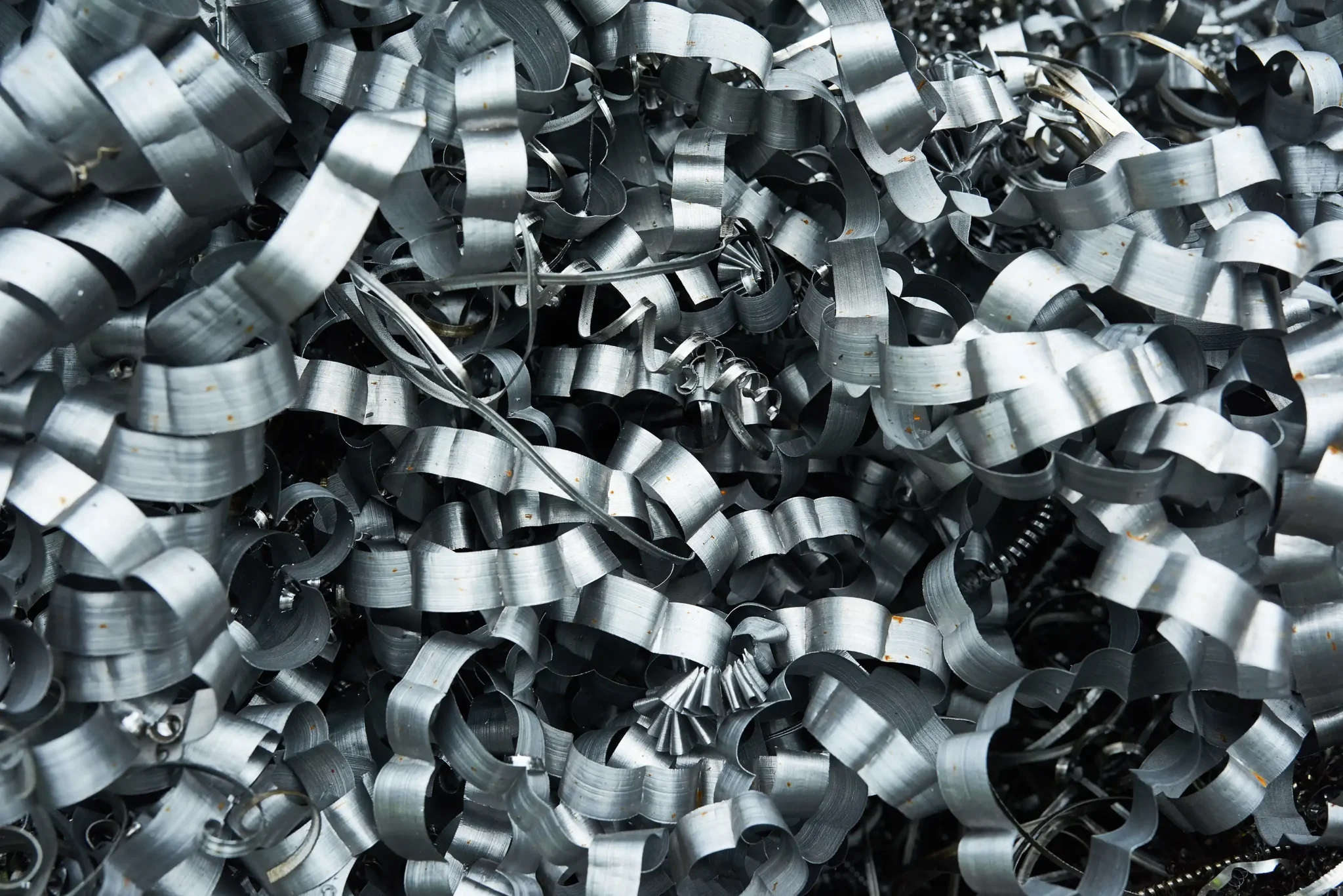
Each material presents a different compression challenge. Select a material to explore baling solutions configured specifically for that stream.

Material Science
Logemann’s material science approach focuses on what happens after the bale is made. Bale density, structure, and consistency influence remelt performance, shipping efficiency, and overall scrap value. That is why the company looks beyond force and throughput alone.
Density Matters™
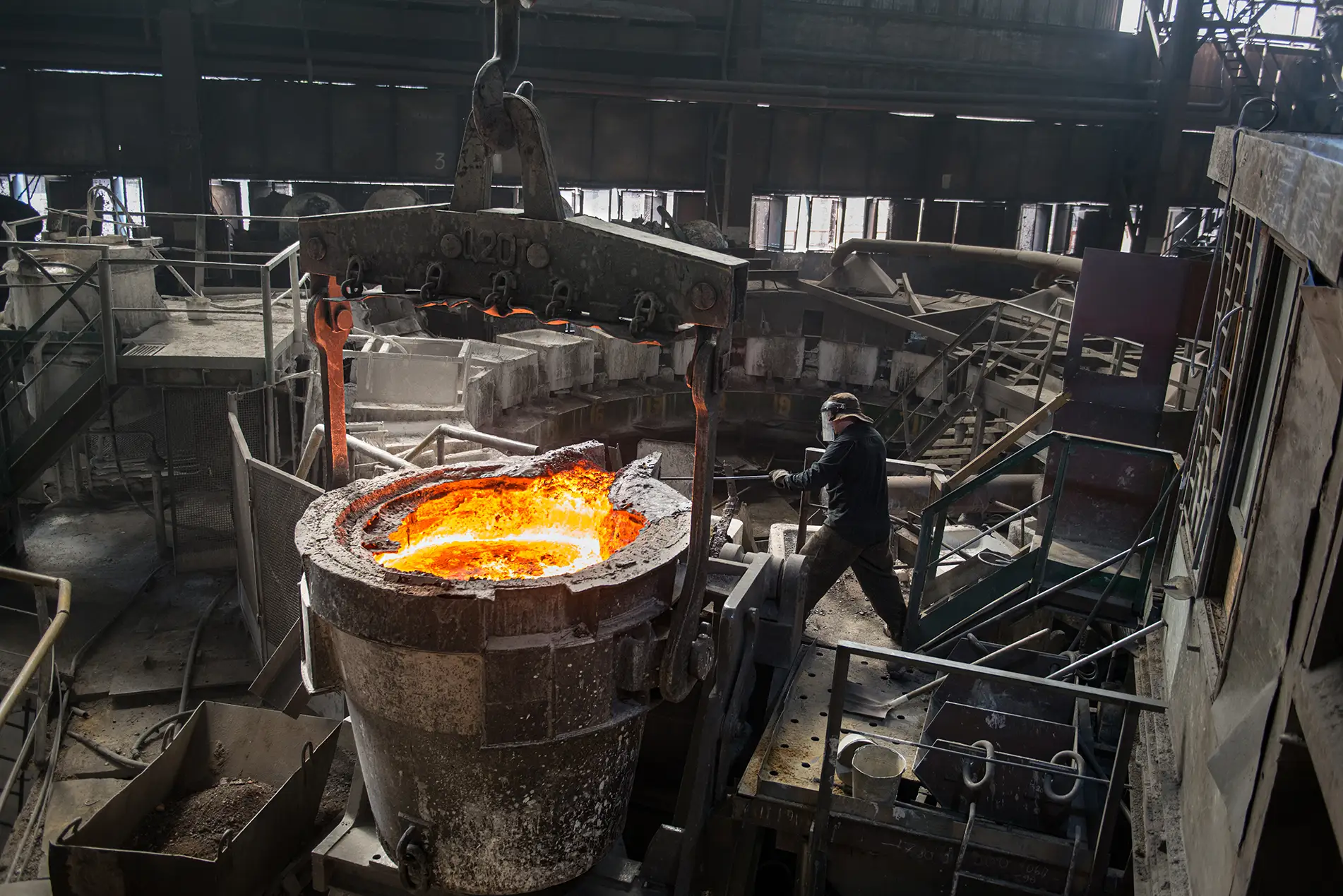
Density Matters™ reflects Logemann’s position that bale density has a direct effect on downstream performance. Scrap preparation should not be judged only by throughput or bale size. It should also be judged by how well the material performs at the furnace.
The initiative focuses on:
- remelt efficiency
- material recovery
- lower oxidation and dross potential
- improved shipping and storage efficiency
Density vs Yield
Higher-density bales can help reduce excess air and exposed surface area in the furnace, which may improve melt performance and material recovery. This relationship between bale density and remelt yield is central to Logemann’s materials philosophy.
Material Testing Facility
Logemann supports material validation through dedicated testing capabilities designed to evaluate how different scrap streams respond under compression.
Testing can include:
- achieved bale density
- springback and rebound behavior
- cycle time and stroke performance
- hydraulic pressure behavior
- handling characteristics
- effects of shredding, shearing, or crinkling
Turn difficult scrap into higher-value output
Talk with Logemann about the right baling system for your material.
Contact Us