Material-First Baler Selection
Density Matters. Architecture Matters. Material Comes First.
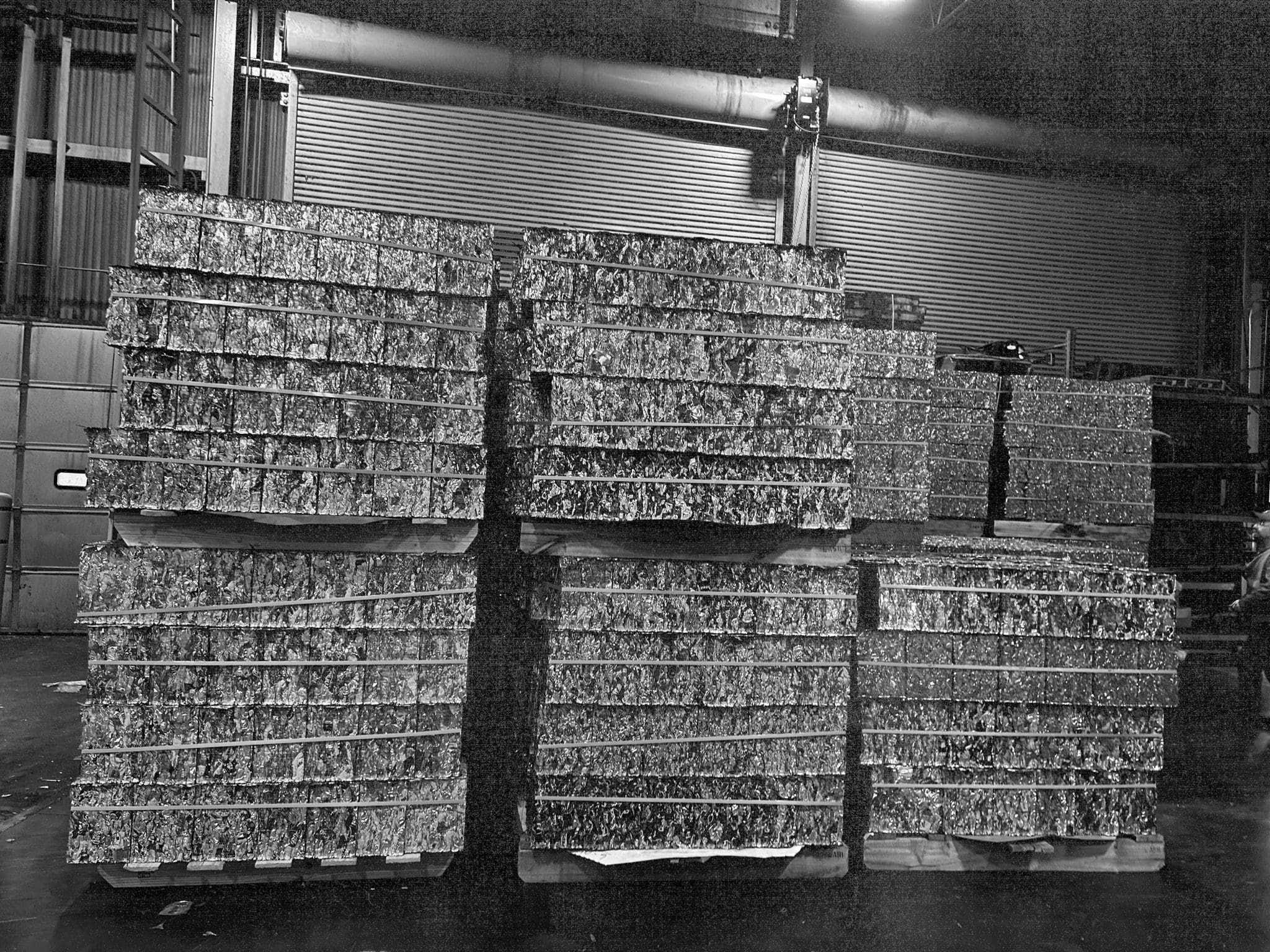
Start With the Scrap — Not the Machine
Every Logemann baler architecture exists for a reason. The correct solution begins with material behavior, then volume, then downstream requirements. Logemann does not sell balers by tonnage alone. We engineer compression strategies around how scrap behaves and how value is recovered downstream.
For more than 140 years, Logemann Baler has designed machines that perform where others fail, delivering dense, stable, furnace-ready bales built for long-term industrial use.
See how higher-density bales improve bottom-line margins.
FREE ROI ANALYSIS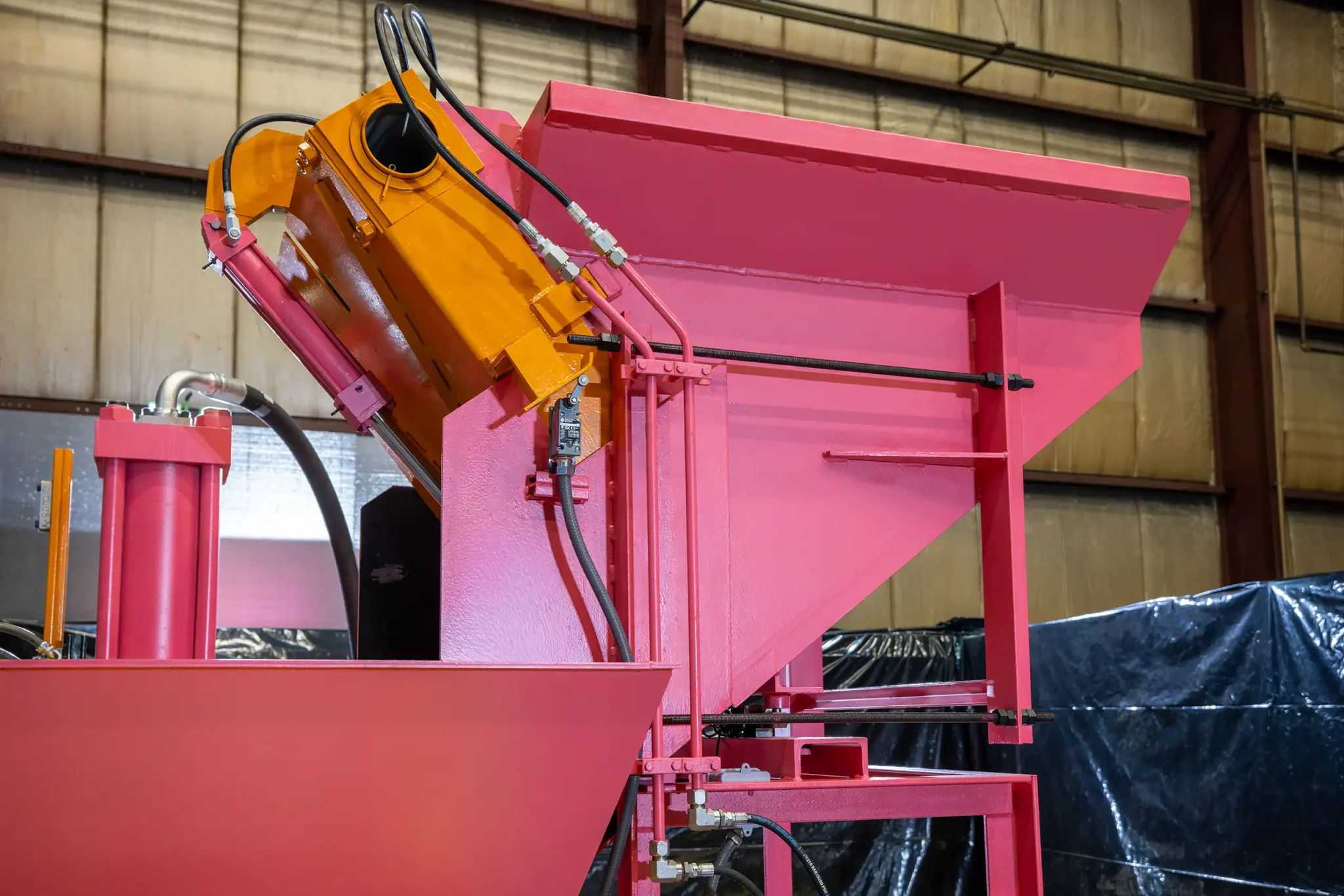
One Manufacturer.
Three Architectures.
Purpose-Built Solutions.
Logemann systems are engineered around material behavior—not a one-size-fits-all approach. Whether the priority is transportation efficiency, automation, or metallurgical yield, the right compression strategy makes the difference.
3-Ram Balers
Engineered density control and automation-ready compression for high-value industrial scrap.
Review 3-Ram Balers2-Ram Balers
Large-format balers designed for bulky materials and transport efficiency.
Review 2-Ram BalersHigh-Density Briquetters
Extreme compression for fines, turnings, and high-springback materials where density drives yield.
Explore Briquetters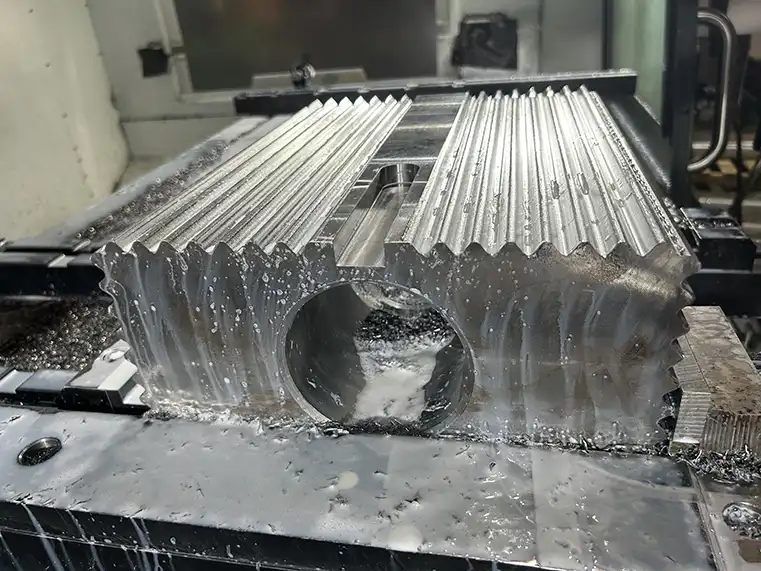
Where Density Creates Value
The value of scrap isn’t determined at pickup—it’s determined at the furnace. Low-density scrap introduces excess air, oxidation, and handling inefficiencies that reduce recovered metal and increase costs.
Logemann systems are engineered to push material up the density-yield curve, producing bales that:
Meet mill and foundry specifications
Improve melt efficiency and yield
Reduce transportation and handling losses
Support closed-loop, on-premises scrap value capture

Built to Run.
Built to Last.
For more than 140 years, Logemann Baler has designed and delivered over 15,000 scrap management systems worldwide. Thousands of Logemann machines remain in service decades after installation, often across multiple ownership cycles.