High-Density Briquetters
Compact Machines for Extreme Density and High-Springback Materials
103 Refurbished In Stock
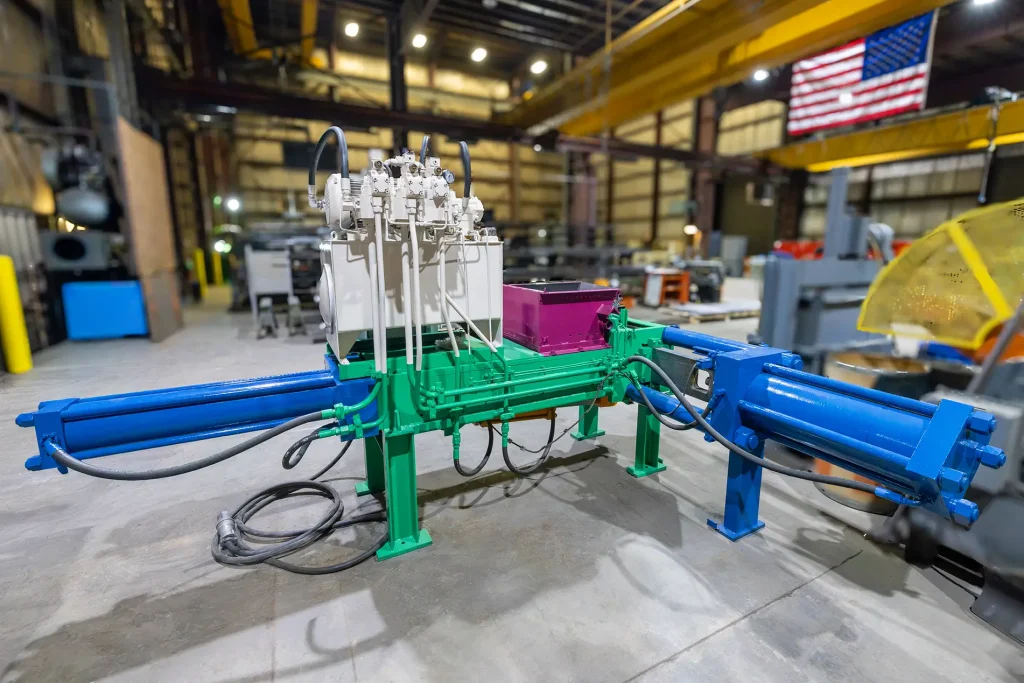
Logemann’s high-density 2-ram briquetters are purpose-built for materials that resist conventional baling—fine, springy, or difficult scrap streams that demand extreme compression in a compact footprint.
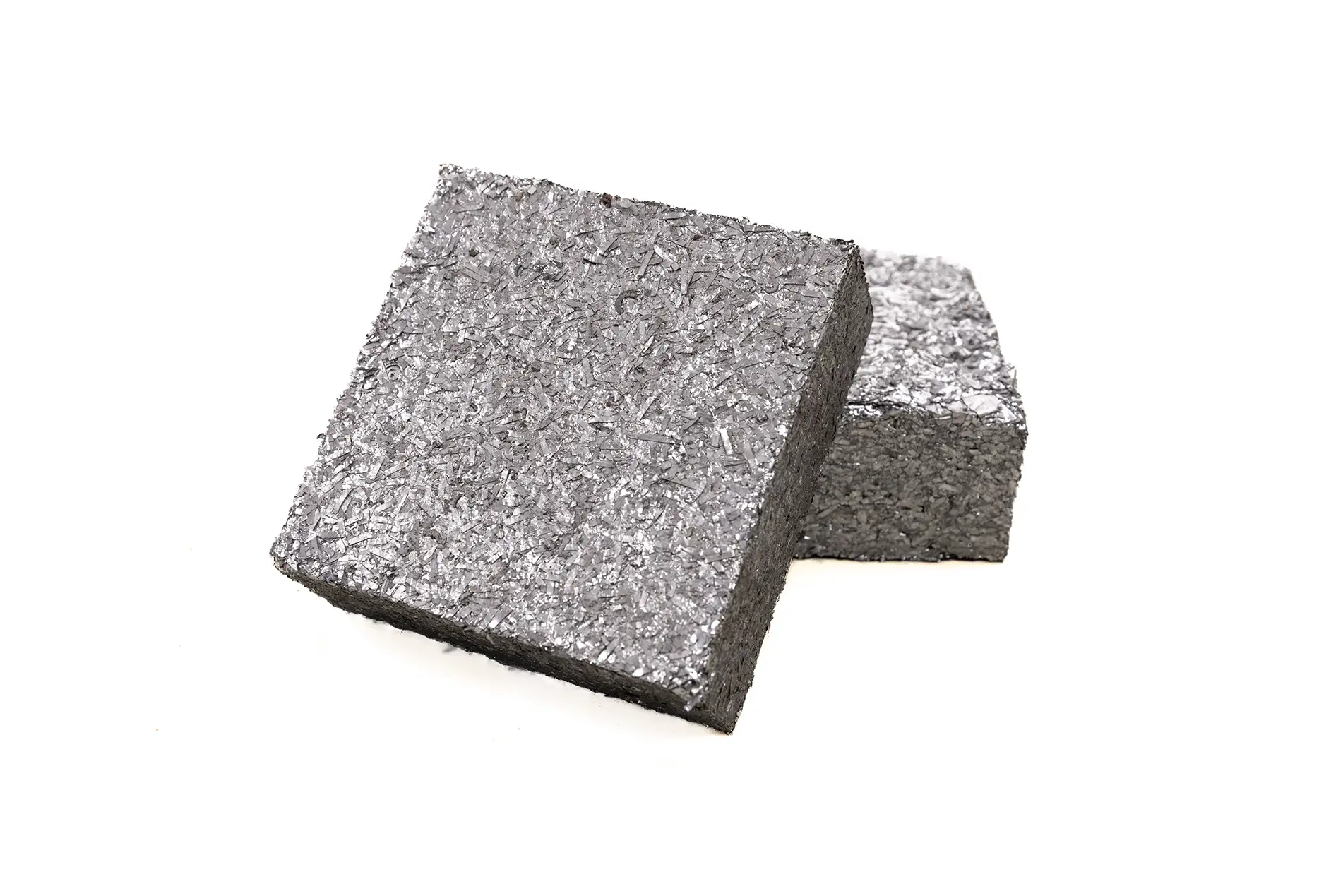
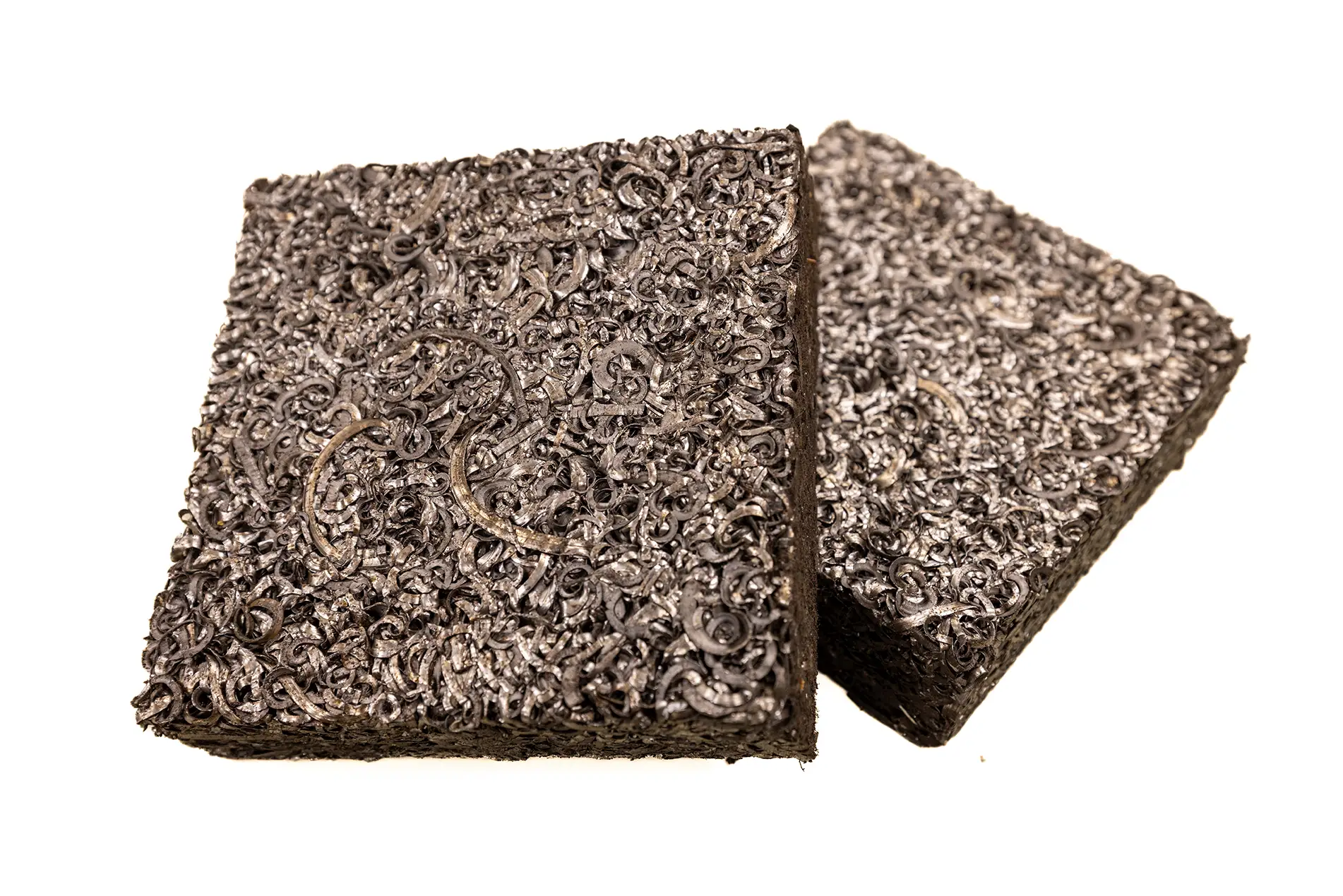
Unlike large-hopper balers designed for volume, these systems utilize a small loading area and staged, high-force compression to produce dense, stable briquettes from materials such as CNC turnings, slitter scrap, tire-derived steel, and fines. The result is a machine optimized for density, containment, and downstream metallurgical value, not bulk throughput.
Designed for High-Springback and Fine Materials
Many briquetters rely on mechanical presses or limited hydraulic force and struggle with springback, inconsistent material, and fines containment. Logemann’s 21-BDS Series is a true two-compression hydraulic baler, combining sequential ram compression, integrated pre-shear for material conditioning, and controlled briquette geometry.
This platform excels where traditional balers fail. Typical materials include:
CNC turnings and milling chips
Aluminum, copper, and brass fines
Slitter scrap and punch scrap
Tire-recycling steel wire
High-springback sheet and trim

Density Matters — Why This Machine Changes the Value Equation
At the foundry, density directly affects yield. Low-density scrap introduces excess air, surface area, and oxidation potential during charging and melting. As density increases, oxidation losses decrease and metal recovery improves along the density-yield curve.
For high-value brass and copper scrap: higher briquette density reduces exposed surface area, lower air entrapment improves melt efficiency, and improved charge behavior increases recovered metal per ton. Achieving up to 50% higher density translates directly into higher foundry yield and higher scrap value, not just better handling. This is the core of Logemann’s Density Matters approach.
Two-stage Compression with Integrated Shear
The 21-BDS design incorporates a first compression ram with reversible shear knives to cut and condition material before final compaction, a second high-force compression ram to achieve final density, and bottom-drop briquette discharge for efficient, repeatable production. This sequence allows the machine to process materials that would otherwise stall, bridge, or spring back in single-stage systems.
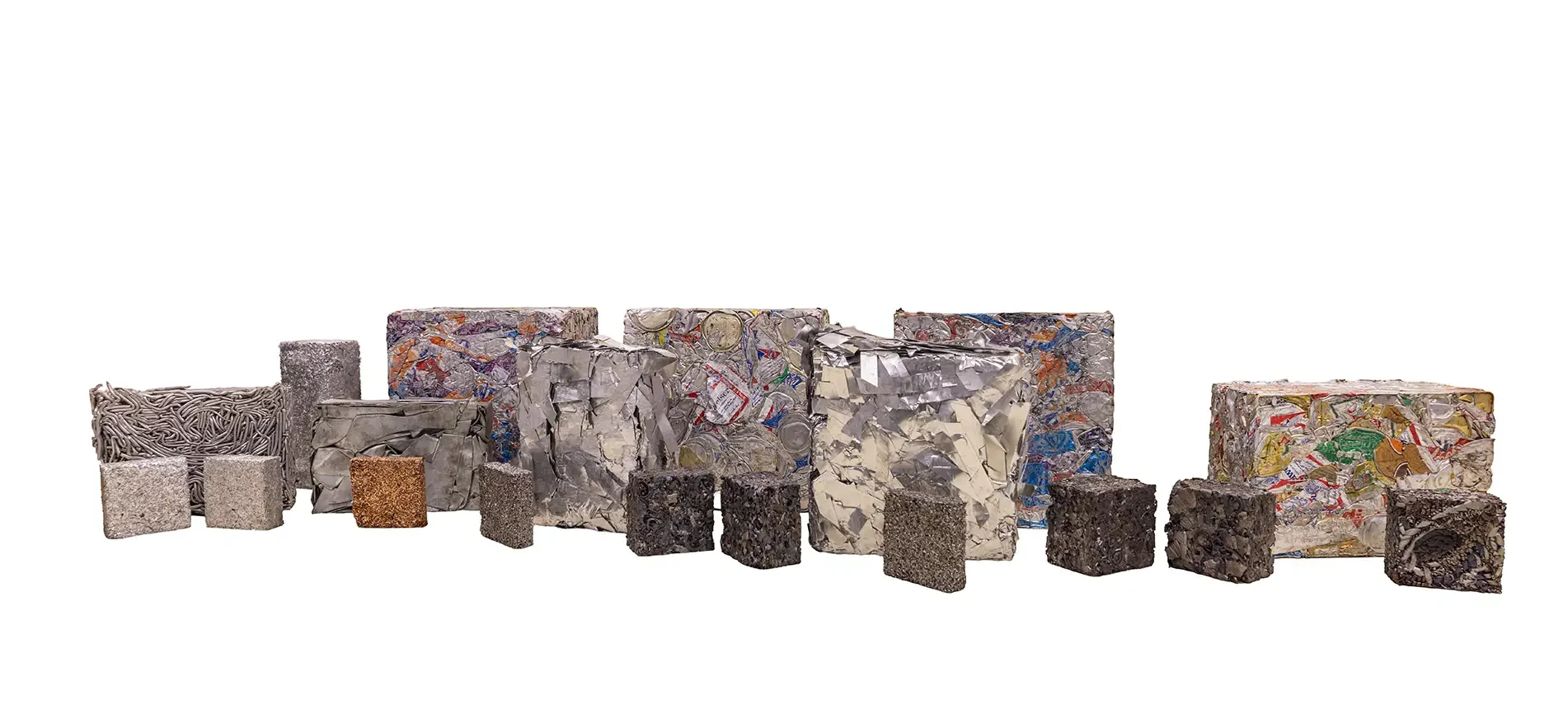
Where it Fits in the Logemann Portfolio
3-Ram Balers
Industrial automation, furnace-ready scrap
Large 2-Ram Balers
Bulky materials, transportation efficiency
High-Density Briquetters
Fines, turnings, high-springback — density drives yield
Small footprint. Maximum density. Measurable yield.
The 21-BDS Series proves that achieving meaningful density—and real foundry value—does not require a massive machine, only the right compression strategy. Density matters. And in this application, it pays.