Baler Products
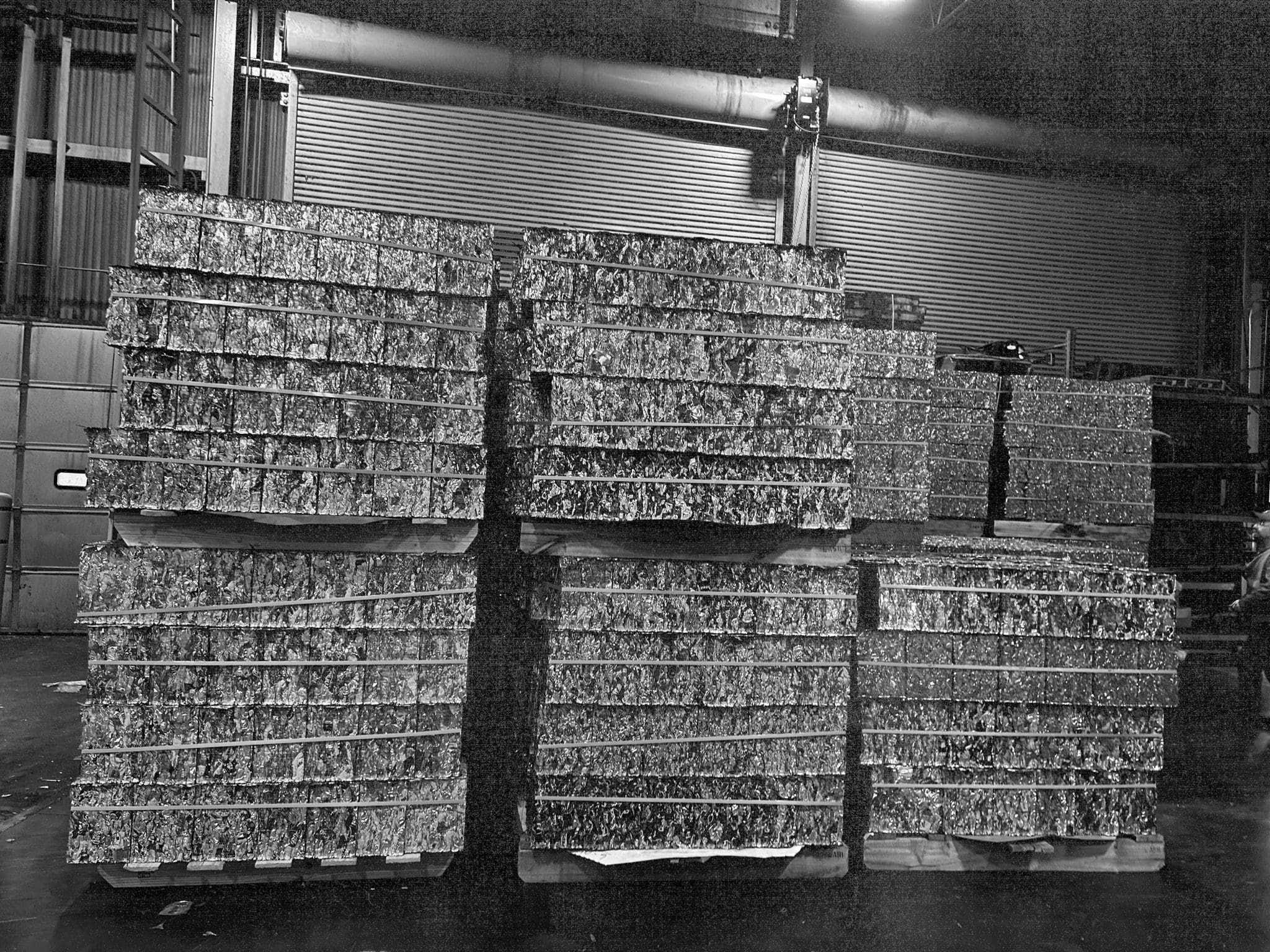
Purpose-Built Baler Machines for Material-Driven Applications
Logemann designs baler machines around material behavior and downstream economics — not generic tonnage ratings. Different scrap streams demand different compression strategies. That’s why Logemann offers three distinct baler architectures, each engineered for a specific operational objective.
Whether the goal is furnace-ready density, transportation efficiency, or maximum yield from difficult materials, selecting the right architecture determines performance.
One Manufacturer.
Three Architectures.
Material behavior, automation level, and downstream value drivers determine which system delivers the strongest return.
Choosing the Right Architecture
2-Ram vs 3-Ram vs High-Density Briquetters
Below is a high-level comparison to guide evaluation. Detailed specifications are available on each product page.

In-House Material Testing & Validation
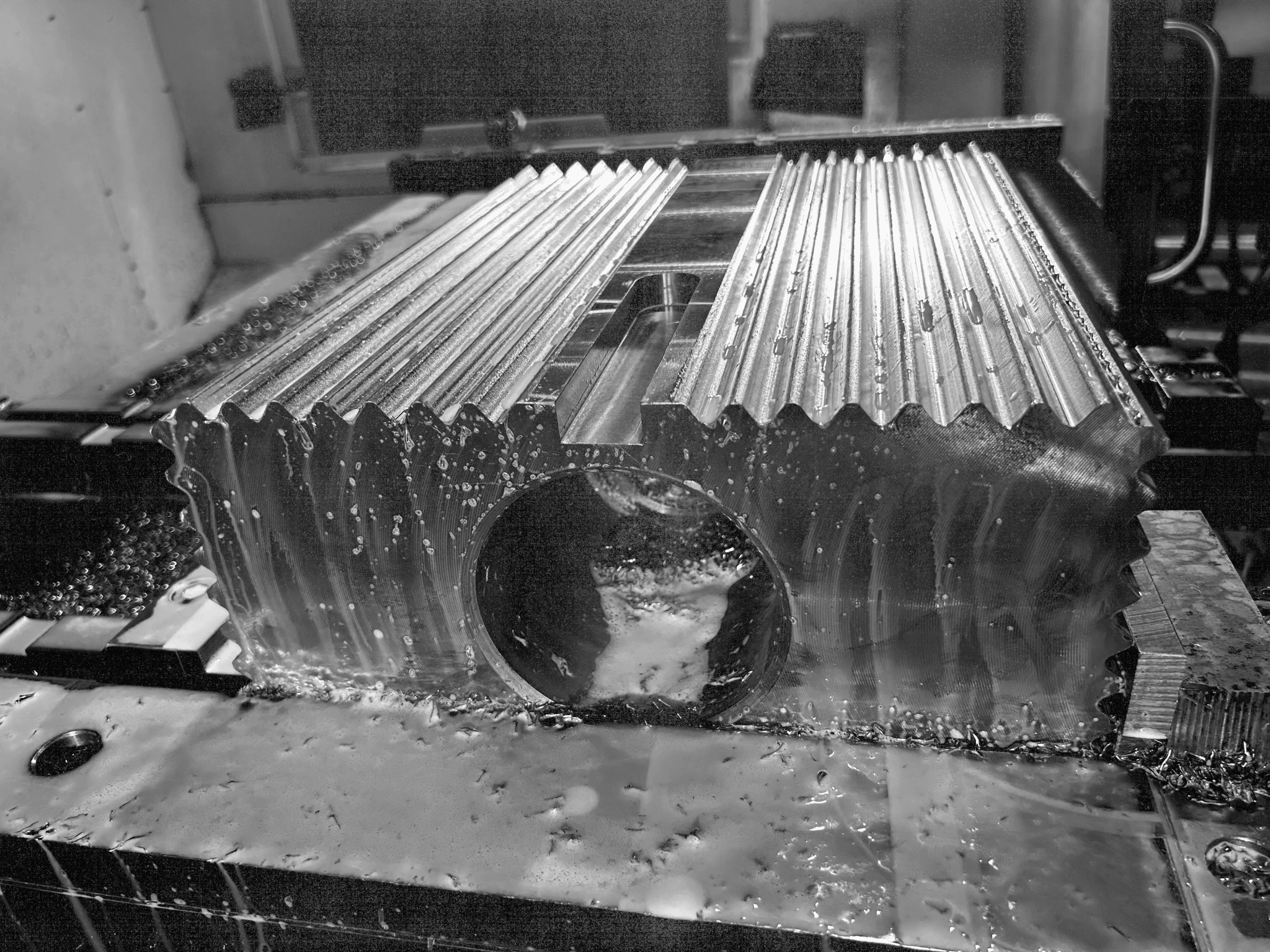
Logemann operates three machines dedicated to material testing and development. We can process and evaluate virtually any scrap stream, including materials traditionally considered difficult or uneconomical to bale.
Recent validation work has included:
- Loose aluminum slitter scrap
- Recycled tire steel
- High-springback and irregular specialty scrap
If the material doesn’t behave well on conventional equipment, we test it and engineer a solution.
CommandCore™ Touchscreen Control System
All-in-one PLC + HMI platform that centralizes machine control, diagnostics, and system monitoring in a single industrial interface.
- Real-time system monitoring and alarms
- Integrated safety and motion control
- Simplified operator interface and diagnostics
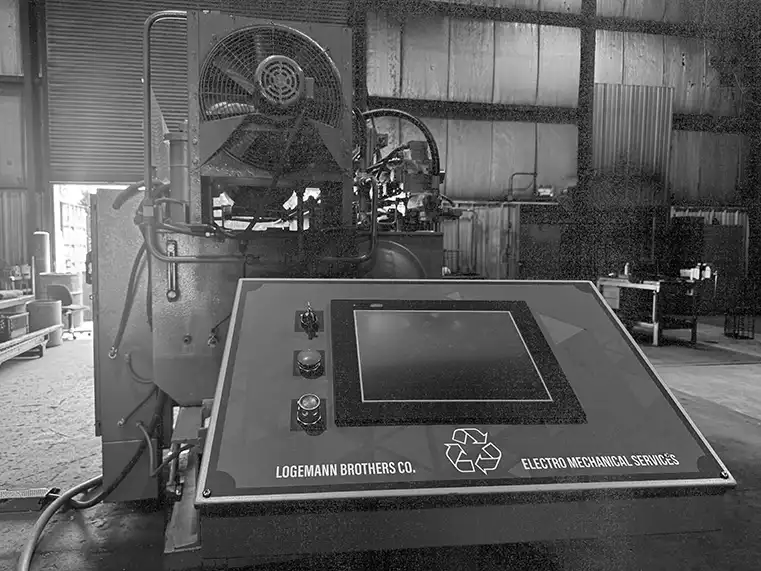
Logemann Smart HPU
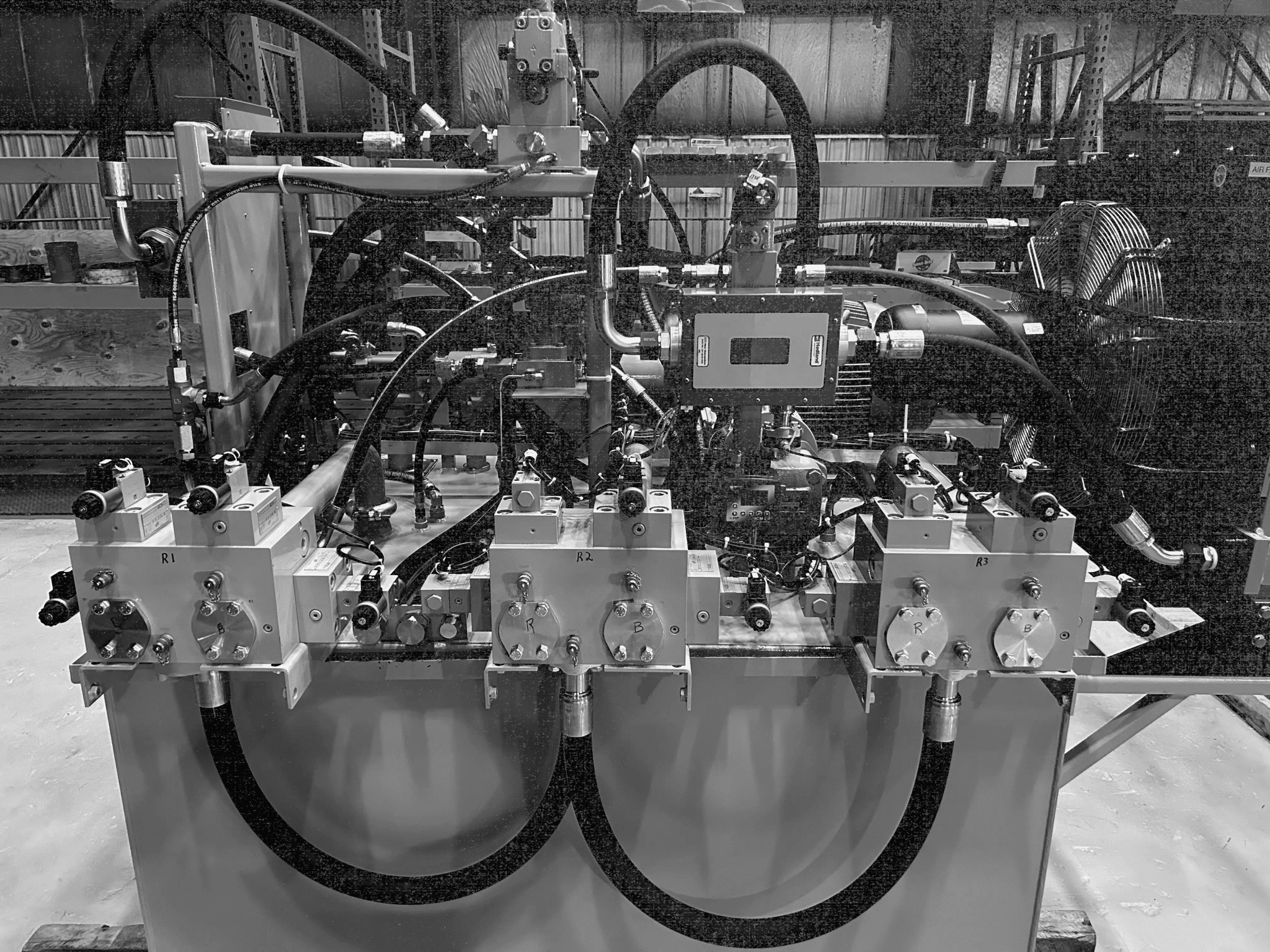
A next-generation hydraulic power unit designed for durability, serviceability, and long-term industrial performance.
- Weld-free structural design reduces failure points
- Improved leak resistance and pressure stability
- Built with readily available service components
Built to Perform. Built to Last.
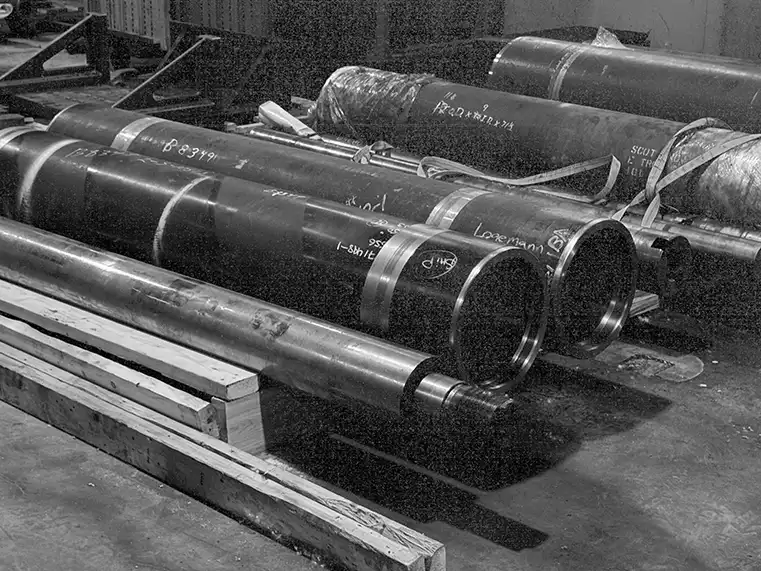
Logemann balers are engineered as long-term industrial assets — not disposable equipment.
Heavy-duty construction, renewable wear systems, service-centric layouts, and upgrade pathways allow Logemann machines to remain productive for decades, often through multiple ownership cycles.
From high-capacity industrial 3-ram systems to transport-efficient 2-ram platforms and extreme-density briquetters, every Logemann product reflects one principle.