
Material Science
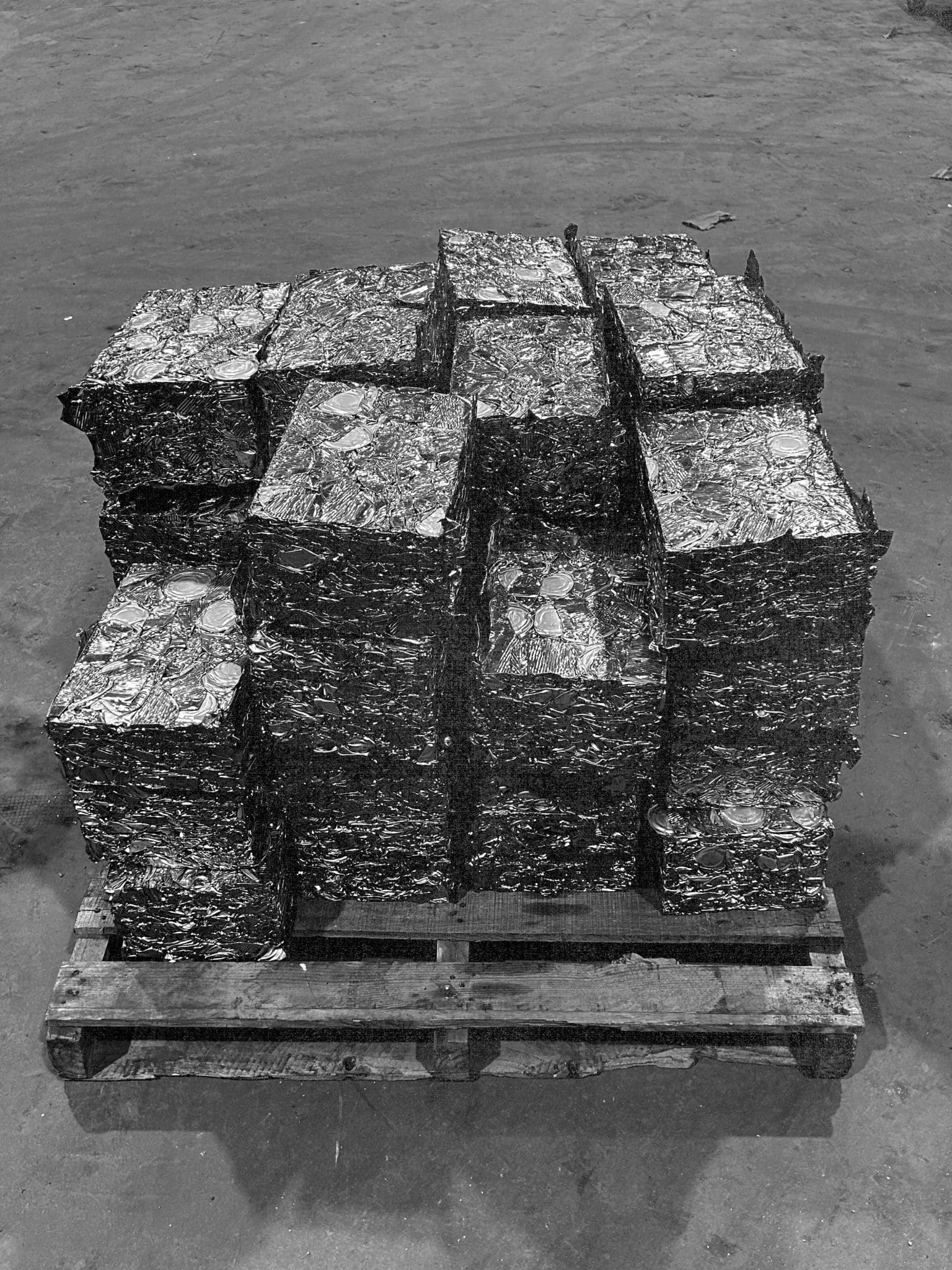
Density Matters™
Advancing the Science of Scrap Metallurgy
Through the Density Matters™ initiative, Logemann is helping the industry understand how scrap preparation influences remelt yield, energy use, and material value.
For decades, scrap processing has been measured primarily in terms of machine force, throughput, and bale size. While these factors are important, they do not fully capture what matters most to downstream metal producers.
How much metal is actually recovered during remelting?
The relationship between scrap preparation and remelt yield has historically been understudied. While industry practitioners recognize that denser material performs better in the furnace, very little independent data has been published quantifying the impact.
Logemann’s Density Matters™ initiative was created to address this gap.

A Collaborative Research Effort
Density Matters™ is an open industry initiative designed to better understand how scrap density influences remelt performance.
Logemann is supporting research and testing in collaboration with:
- university engineering programs
- remelters and foundries
- metal producers
- extrusion and stamping manufacturers
- industry associations and standards bodies including ASTM
These efforts aim to produce the first density-to-yield performance curves for industrial scrap streams.
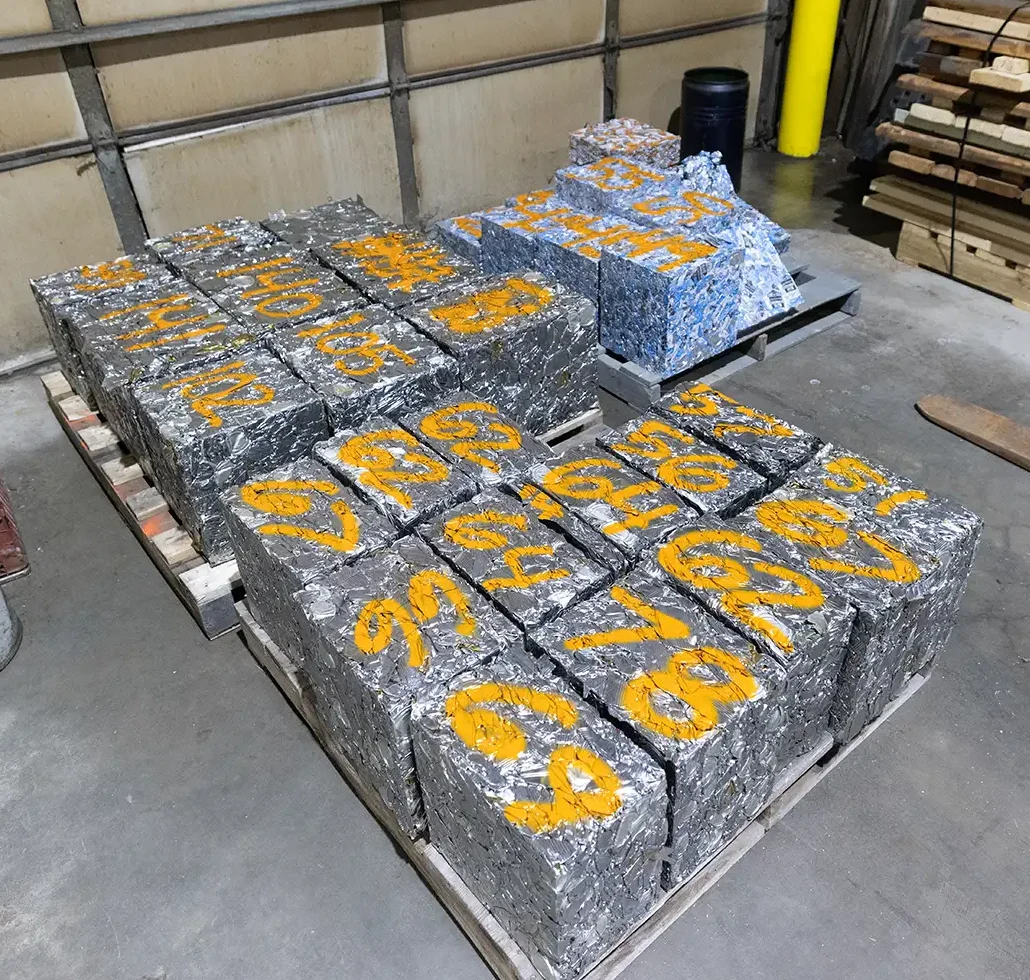
Why Density Matters
Scrap density directly influences several variables inside a remelt furnace:
- oxidation rate
- exposed surface area
- furnace residence time
- energy consumption
- dross formation
- metal recovery yield
Early testing indicates that the difference between loosely processed scrap and highly dense material may influence remelt yield by approximately 2–3%. In an industry processing tens of millions of tons of recycled metal annually, improvements at this level represent billions of dollars in potential recovered value.
Density Matters™ shifts the conversation from simply moving scrap to optimizing material value.
Rather than asking: ”How fast can we process material?”
We ask: “How should this material be processed to maximize its value at the furnace?”
Real-World Scrap Processing and Density Evaluation
Understanding scrap behavior requires more than theoretical modeling. It requires processing material under real industrial conditions.
Logemann operates a dedicated density testing and material evaluation facility designed to analyze how different scrap streams behave during compression and preparation.
Testing Capabilities
Our facility allows us to process and analyze a wide range of industrial scrap streams, including:
- aluminum extrusion scrap
- aluminum stamping skeletons
- copper and brass materials
- mixed metal streams
- specialty materials such as tire steel
Each material type behaves differently during compression, making testing essential to understanding optimal processing methods.
What We Measure
Through our testing program, we evaluate:
- achieved bale density
- compression characteristics of different materials
- material springback and rebound
- processing energy requirements
- handling characteristics of finished bales
- optimal cycle time, ram strokes and HPU pressure analysis
- optimal material preparation; Shredding, shearing, crinkling
These insights help manufacturers and recyclers better understand how scrap preparation influences downstream processing.
Open Testing Approach
Logemann believes the industry benefits when knowledge is shared.
Our Density Matters™ testing initiative supports open research collaboration, allowing manufacturers, recyclers, and remelters to contribute materials for testing and participate
in expanding industry knowledge.
Turn difficult scrap into higher-value output
Talk with Logemann about the right baling system for your material.
Contact Us